Road Salt Damage to Windshields in Sterling Heights Explained
Every winter, Sterling Heights roads are heavily treated with salt to improve driving safety, but many motorists wonder whether this seasonal necessity quietly damages their windshields. Some drivers dismiss road salt damage as a myth, assuming it only affects vehicle paint or undercarriages. In reality, road salt plays a far more complex role in windshield wear than most people realize. Save On Auto Glass regularly educates local drivers on how salt, combined with weather and driving conditions, can contribute to windshield deterioration over time.
Windshields are engineered to withstand impact and pressure, but constant exposure to harsh elements can weaken their resilience. Sterling Heights winters create an environment where salt, moisture, debris, and freezing temperatures interact continuously. Understanding whether road salt truly affects windshields helps drivers take preventive steps and avoid unexpected damage that compromises visibility and safety.
How Road Salt Interacts With Windshield Glass
Road salt itself does not chemically eat through glass, but its indirect effects are significant. Salt lowers the freezing point of ice, creating slushy, abrasive mixtures on the road surface. As vehicles pass over these areas, small salt crystals and debris are kicked up at high speeds, striking windshields with surprising force.
These impacts often cause tiny chips or surface pitting that may go unnoticed at first. Over time, repeated exposure increases the likelihood of visible damage. Save On Auto Glass explains that Sterling Heights drivers frequently associate windshield issues with random debris, overlooking how winter road treatments contribute to repeated micro-impacts that weaken glass integrity.
Winter Debris and Increased Impact Risk
During winter months, Sterling Heights roads collect more loose material than usual. Salt mixes with sand, gravel, and ice fragments, forming abrasive particles that easily become airborne. Vehicles traveling at highway speeds are especially vulnerable, as even small particles can strike the windshield with enough force to cause damage.
Drivers following closely behind other vehicles face an even greater risk. Save On Auto Glass often sees windshield damage that began as minor pitting caused by winter debris. These small imperfections create stress points that can later develop into cracks once temperatures fluctuate or additional impacts occur.
Moisture, Salt, and Existing Windshield Damage
Road salt becomes more problematic when existing windshield damage is present. Chips and small cracks allow moisture mixed with salt to seep into damaged areas. When temperatures drop, this moisture freezes and expands, placing pressure on the surrounding glass.
Sterling Heights winters are known for frequent freeze-thaw cycles, which accelerate this process. Save On Auto Glass warns that drivers who ignore minor damage before winter often experience rapid crack growth during cold months. Salt-laden moisture intensifies the stress already present in compromised glass, making damage progression more likely.
Does Road Salt Cause Scratches on Windshields?
Scratches are another concern drivers raise when discussing road salt. While salt alone does not scratch glass, salt particles combined with sand and dirt can act like abrasives. When windshield wipers move across a dirty windshield, these particles can drag across the surface, causing fine scratches over time.
These scratches may not be immediately obvious, but they can reduce clarity and increase glare during nighttime or bright daylight driving. Save On Auto Glass advises Sterling Heights motorists to keep windshields clean during winter and avoid using wipers on heavily soiled glass to minimize abrasion-related wear.
Visibility Problems Linked to Winter Wear
Winter-related windshield damage often affects visibility before drivers realize it. Pitting, scratches, and small chips scatter light from headlights and streetlights, creating glare and distortion. These effects are especially noticeable during early morning and evening driving, common during winter months.
Reduced visibility increases reaction time and driver fatigue. Save On Auto Glass emphasizes that Sterling Heights drivers should not ignore subtle visibility changes after winter. What seems like normal glare may actually be a sign of accumulated windshield damage linked to seasonal road conditions.
Structural Stress From Cold Weather and Salt Exposure
Windshields experience significant stress during winter due to temperature extremes. When combined with salt exposure and moisture intrusion, this stress intensifies. Cold glass becomes less flexible, making it more susceptible to cracking when impacted by debris.
Save On Auto Glass frequently evaluates windshields that survived summer with minimal damage but failed during winter. Sterling Heights drivers benefit from understanding that road salt contributes indirectly by increasing debris impact and moisture exposure, both of which place additional strain on already stressed glass.
Myth vs Reality: Is Road Salt the Main Culprit?
It would be misleading to say road salt alone destroys windshields. However, dismissing its role entirely is equally inaccurate. Road salt acts as a catalyst that amplifies other damaging factors such as debris impact, moisture intrusion, and freeze-thaw stress.
Save On Auto Glass clarifies that in Sterling Heights, windshield damage is rarely caused by a single factor. Instead, it results from a combination of winter conditions where road salt plays a supporting but significant role. Recognizing this reality helps drivers take preventive measures rather than relying on misconceptions.
Preventive Steps Drivers Can Take in Winter
While winter conditions cannot be avoided, drivers can reduce risk with simple habits. Maintaining safe following distances limits exposure to kicked-up debris. Regularly cleaning the windshield removes salt and abrasive particles before they cause scratches.
Parking indoors or using windshield covers can reduce ice buildup and minimize scraping damage. Save On Auto Glass encourages Sterling Heights motorists to inspect windshields periodically during winter, especially after severe weather or highway driving. Early detection remains the most effective way to prevent minor damage from escalating.
When Winter Damage Requires Professional Attention
Some winter-related damage cannot be addressed through prevention alone. Chips that appear small can worsen quickly once salt and moisture enter damaged areas. Drivers should seek professional evaluation when they notice new chips, cracks, or persistent glare issues.
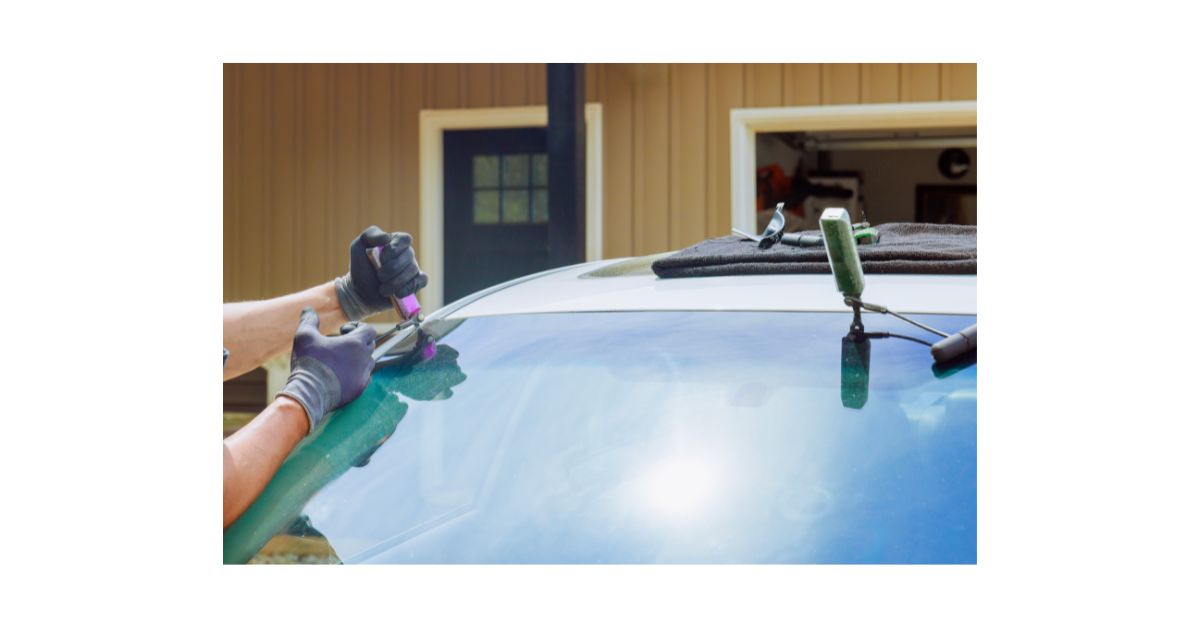
Save On Auto Glass advises that timely Windshield repair can prevent further deterioration during winter months. Addressing damage early helps maintain structural integrity and visibility, reducing the likelihood of sudden failures in cold conditions.
The Cost of Ignoring Salt-Related Damage
Ignoring winter windshield damage often leads to higher costs later. What begins as minor pitting or a small chip can grow into a full crack that spreads across the glass. As damage worsens, options become limited, increasing the likelihood that Windshield repair alone may no longer be sufficient.
Sterling Heights drivers who delay action frequently face unexpected expenses and scheduling challenges. Save On Auto Glass emphasizes that winter damage should never be postponed, as cold weather accelerates progression faster than many drivers expect.
Local Experience Makes a Difference
Local expertise matters when evaluating winter windshield damage. Professionals familiar with Sterling Heights road conditions understand how salt usage, traffic patterns, and weather extremes interact. This knowledge allows for more accurate assessment and guidance.
Save On Auto Glass applies this local insight to help drivers understand the true impact of road salt on their windshields. Working with a trusted local provider ensures recommendations are based on real-world conditions rather than assumptions.
Understanding the Real Risk Helps Drivers Stay Safer
Separating myth from reality empowers drivers to make better decisions. Road salt may not directly eat through glass, but its indirect effects are real and measurable. Recognizing how winter conditions contribute to windshield damage allows Sterling Heights motorists to stay proactive rather than reactive.
Save On Auto Glass continues to educate the community on winter-related risks and preventive care. Awareness leads to safer driving, clearer visibility, and stronger windshield performance throughout the harsh winter season.
Media Contact
Save On Auto Glass
Address: 43917 Van Dyke Ave, Sterling Heights, MI 48314
Phone: 586-991-5339
Website: https://www.saveonautoglass.com/
By understanding how road salt truly affects windshields, Sterling Heights drivers can protect their vehicles more effectively and avoid unnecessary damage during Michigan’s toughest driving months.