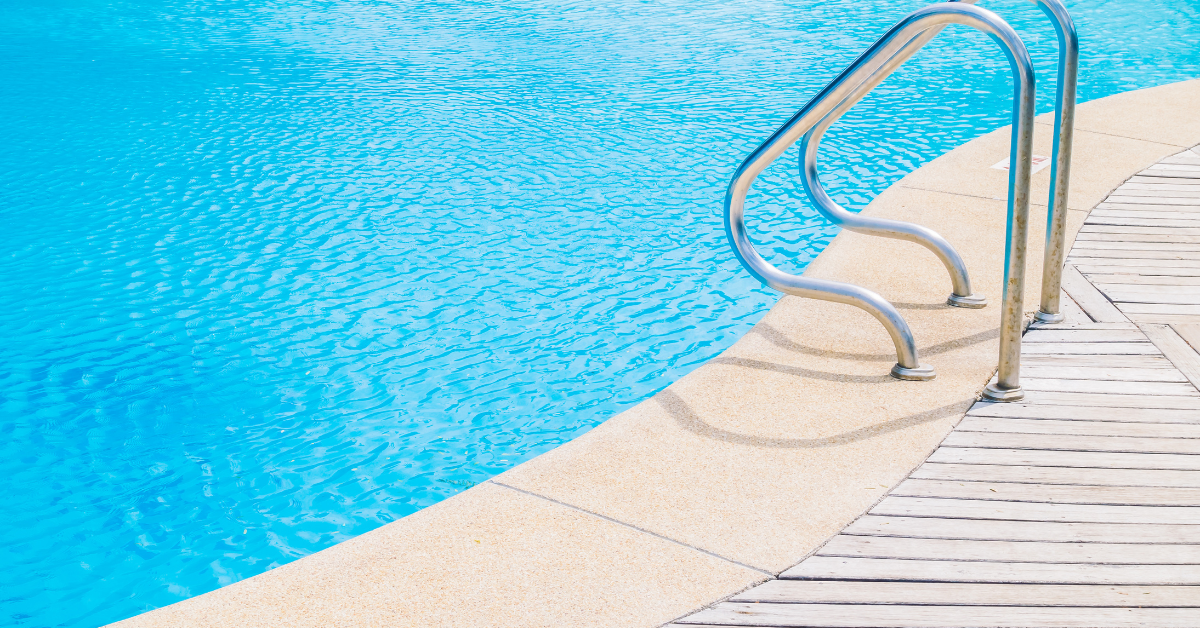
Owning a pool is one of the greatest lifestyle upgrades for any home. It transforms your backyard into a place of leisure, fitness, and entertainment. Among the many choices available to homeowners, the fibreglass pool has become the preferred option for those seeking a balance of beauty, low maintenance, and long-lasting value. This comprehensive guide explores everything you need to know about fibreglass pools: what they are, how they are built, their benefits compared to other options, the installation process, maintenance requirements, and the lifestyle improvements they bring.
A fibreglass pool is manufactured offsite as a single-piece shell using fibreglass-reinforced plastic and coated with a gel finish that gives it both shine and resilience. This makes it different from concrete pools, which are built entirely onsite, or vinyl pools, which use a liner that requires replacement over time. The pre-made fibreglass shell is delivered and installed into an excavated space, which drastically reduces installation time and ensures consistency in quality.
The growing popularity of fibreglass pools is not just about aesthetics; it is about practicality. Modern households want convenience without sacrificing style. Below, we will break down all the important aspects of this pool type.
Key Benefits of a Fibreglass Pool
Quick Installation
One of the most attractive features of fibreglass pools is how quickly they can be installed. Unlike concrete pools, which may take three to six months to complete, fibreglass pools are often ready to use within three to six weeks. Because the shell is manufactured offsite, weather delays and construction errors are minimised, saving homeowners time and stress.
Durability and Longevity
Fibreglass shells are designed to last for decades. Many come with structural warranties spanning 25–30 years. They are engineered to handle natural ground movement, which makes them less likely to crack compared to concrete pools.
Smooth Surface
The gelcoat finish provides a smooth, glossy surface that is comfortable to the touch and safe for swimmers. Unlike rough plaster finishes, which can scrape skin, the surface of a fibreglass pool feels pleasant and resists algae growth.
Low Maintenance
Because of its non-porous nature, fibreglass requires fewer chemicals and less cleaning than concrete pools. Homeowners can expect to spend less time vacuuming, brushing, and treating the water.
Cost Efficiency Over Time
Although the initial investment is higher than a vinyl liner pool, the reduced maintenance, fewer repairs, and long lifespan make fibreglass the most cost-efficient choice over time.
Stylish Options
Today’s fibreglass pools come in a wide range of sizes, depths, and designs. From modern rectangular lap pools to freeform designs with built-in seating, there are options to suit every lifestyle and property size.
The Installation Process
Installing a fibreglass pool is straightforward when handled by professionals. The general process involves:
- Design and Approvals – Choosing the pool shape and location, obtaining necessary council permits.
- Excavation – Digging the pool site to match the dimensions of the shell.
- Base Preparation – Adding a sand or gravel foundation to stabilise the pool.
- Pool Placement – Delivering and lowering the fibreglass shell into place with a crane.
- Plumbing and Filtration – Installing pipes, pumps, filters, and heating systems.
- Backfilling – Filling around the shell with stabilising material to secure it.
- Landscaping and Surrounds – Adding paving, decking, or garden features to complement the pool.
- Filling and Balancing – Adding water, balancing chemicals, and testing systems.
From start to finish, the process usually takes less than a month, making it one of the fastest ways to get a backyard pool ready for use.
Cost Considerations
The price of a fibreglass pool varies depending on size, shape, and additional features. On average in New Zealand:
- Small plunge-style fibreglass pools: $25,000 – $35,000
- Medium-sized family pools: $40,000 – $55,000
- Large lap pools with premium features: $60,000 – $80,000+
Additional costs include fencing, heating, landscaping, decking, and optional features such as spas, water features, or automated covers.
Maintenance Requirements
One of the main reasons homeowners choose fibreglass pools is the reduced upkeep. Here’s what maintenance typically involves:
- Weekly water testing to ensure chlorine, pH, and alkalinity are balanced.
- Filtration system operation for at least 8 hours per day to maintain water clarity.
- Occasional brushing to remove fine debris, though algae does not adhere easily.
- Seasonal checks on pumps, filters, and heating systems.
- Use of a pool cover to reduce water evaporation and debris build-up.
Compared with concrete pools, fibreglass pools need less frequent chemical adjustments and lower overall maintenance budgets.
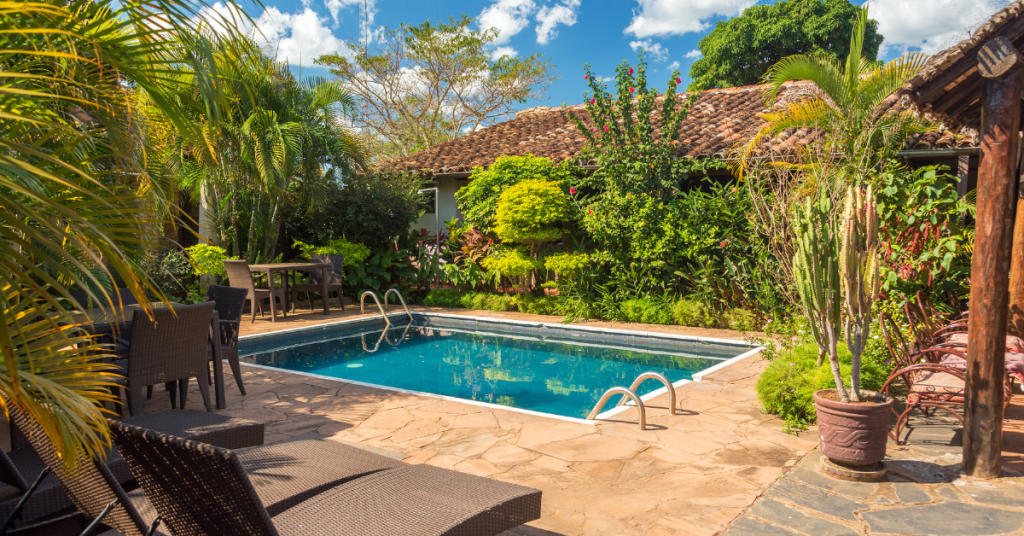
Fibreglass vs Other Pool Types
| Feature | Fibreglass Pool | Concrete Pool | Vinyl-Liner Pool |
|---|---|---|---|
| Installation Time | 3–6 weeks | 3–6 months | 2–4 weeks |
| Surface Comfort | Smooth | Rough/Tile | Soft liner |
| Maintenance Level | Low | High | Moderate |
| Lifespan | 25–30+ years | 30–40 years | 10–15 years |
| Design Flexibility | Pre-made shapes | Unlimited | Moderate |
| Cost Over Time | Low | High | Medium |
This comparison shows that fibreglass strikes a balance between longevity, affordability, and ease of maintenance.
Energy Efficiency and Heating Options
A fibreglass pool is naturally good at holding heat, making it an energy-efficient option. Homeowners can further improve efficiency with:
- Solar heating systems for sustainable energy use.
- Heat pumps that maintain consistent water temperatures.
- Gas heaters for quick heating in cooler months.
- Pool covers to reduce heat loss overnight.
Design Features and Modern Add-Ons
Today’s fibreglass pools can be customised with features that enhance both function and style:
- Built-in seating for social relaxation.
- Tanning ledges that create shallow zones for lounging.
- Integrated spas for a pool-and-spa combination.
- LED lighting for night-time ambience.
- Water features like cascades or bubblers for elegance and fun.
Lifestyle Benefits of a Fibreglass Pool
The impact of owning a pool goes far beyond swimming. It influences lifestyle, health, and family dynamics in positive ways.
- Health and Fitness – Swimming is a full-body workout that improves cardiovascular health and builds endurance.
- Stress Relief – Water environments promote relaxation, reducing anxiety and improving mental wellness.
- Family Time – Pools encourage outdoor play, away from screens, strengthening family bonds.
- Entertainment – A pool creates the ultimate backdrop for barbecues, parties, and casual gatherings.
- Property Value – A well-maintained pool can enhance the appeal and market value of a home.
Safety Considerations
Safety remains an important part of pool ownership. New Zealand regulations require barriers such as fences with self-closing gates around pools. Many fibreglass pools are designed with built-in safety ledges and slip-resistant steps, ensuring an added layer of security for children and inexperienced swimmers.
Modern Trends in Fibreglass Pools
Backyard design continues to evolve, and fibreglass pools adapt well to modern trends such as:
- Minimalist rectangular designs with clean lines and glass fencing.
- Eco-friendly pool systems that use energy-efficient pumps and natural filtration.
- Integrated outdoor living spaces with decks, pergolas, and kitchens.
- Automation and smart technology for controlling pumps, lighting, and cleaning with mobile apps.
- Natural landscaping that incorporates plants and stone for a resort-like environment.
Frequently Asked Questions
How long does a fibreglass pool last?
With proper care, most last 25–30 years or longer.
Can I customise the shape?
Shapes are limited to pre-moulded options, but colours, finishes, and features can be tailored.
Is a fibreglass pool suitable for small yards?
Yes. Compact plunge-style pools are ideal for smaller properties.
Do fibreglass pools crack?
They are designed to flex with ground movement, making them less prone to cracking than concrete.
Can they be heated year-round?
Yes. Fibreglass pools work efficiently with solar, heat pumps, or gas heating systems.
Final Thoughts
A fibreglass pool is more than just a luxury feature. It is a long-term investment in health, lifestyle, and property value. With quick installation, minimal maintenance, durability, and a wide range of design choices, it is easy to see why this pool type has become one of the most popular among homeowners. Whether you are seeking a family-friendly pool, a stylish lap pool, or a compact plunge design, a fibreglass pool offers a solution that blends function with elegance.
If you are considering transforming your backyard into an oasis, a fibreglass pool could be the perfect choice.