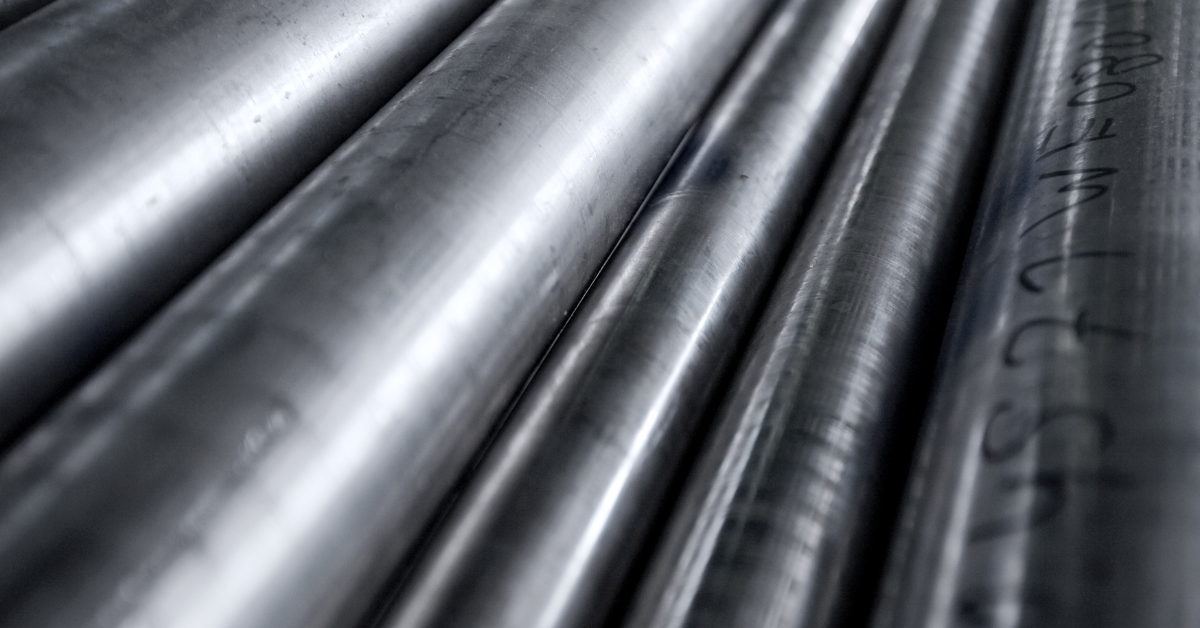
Aluminum bends are vital in the fabrication and engineering world, serving industries where lightweight strength, corrosion resistance, and versatility are required. From automotive exhaust systems to aerospace structures, aluminum bends allow fabricators to route materials efficiently, connect different sections, and maintain flow without compromising durability. Their importance lies not only in structural integrity but also in efficiency, safety, and long-term sustainability.
This article explores aluminum bends in detail, covering their material properties, manufacturing processes, advantages, types, applications across industries, comparisons with other materials, and future trends in engineering.
What Are Aluminum Bends?
Aluminum bends are sections of aluminum tubing that have been formed into curves, angles, or arcs. These bends allow systems to change direction, reroute flow, or adapt to spatial constraints without needing multiple welded joints. By using bends instead of separate fittings, engineers minimize weak points and improve both performance and durability.
Typical uses include:
- Automotive exhaust and intercooler piping.
- Aerospace fuel and hydraulic lines.
- Marine masts and hull reinforcements.
- Construction frameworks and architectural designs.
Material Properties That Make Aluminum Ideal for Bends
Aluminum bends take advantage of the metal’s natural and alloyed properties:
Mechanical Properties
- Strength-to-Weight Ratio: Provides strong structural performance while being one-third the weight of steel.
- Ductility: Easily formed into bends without cracking, especially when using proper alloys.
- Fatigue Resistance: Withstands repeated stress cycles in automotive and aerospace applications.
Physical Properties
- Lightweight: Reduces overall system weight, essential in vehicles and aircraft.
- Conductivity: Useful in heat exchangers and cooling systems where bends guide airflow or fluids.
- Non-Magnetic: Suitable for electronic and sensitive environments.
Chemical Properties
- Corrosion Resistance: Naturally forms a protective oxide layer, resisting environmental damage.
- Recyclability: Fully recyclable without loss of quality.
- Non-Toxicity: Safe for use in food, medical, and water systems.
Common Alloys Used for Aluminum Bends
Different aluminum alloys provide specific benefits for bending applications:
- 6061 Alloy: Highly versatile with strong corrosion resistance and weldability, ideal for automotive and marine use.
- 6063 Alloy: Known for a smooth finish and formability, often used in architectural designs.
- 5052 Alloy: Excellent corrosion resistance, especially in marine environments.
- 7075 Alloy: Extremely strong, used in aerospace and defense, though less ductile.
- 3003 Alloy: Cost-effective and corrosion resistant, often used in HVAC and general fabrication.
Types of Aluminum Bends
Aluminum bends come in several forms to meet different engineering needs.
By Bend Radius
- Short Radius Bends: Compact, tight bends used when space is limited.
- Long Radius Bends: Provide smoother flow transitions, reducing pressure loss in fluid systems.
By Shape
- 90-Degree Bends: Most common, used to change direction sharply.
- 45-Degree Bends: Gentle angle changes with minimal resistance.
- U-Bends: Used in return piping systems and exhaust applications.
- Custom Angles: Fabricated for unique requirements in performance engineering.
By Fabrication Method
- Mandrel Bends: Created with a mandrel inside the tube, ensuring smooth curves without collapsing.
- Crush Bends: Simpler and cheaper, though they may cause flow restriction.
Manufacturing Processes for Aluminum Bends
Producing high-quality aluminum bends requires precise fabrication methods:
- Mandrel Bending
- A mandrel is inserted inside the tube during bending.
- Maintains internal diameter and wall thickness.
- Common in performance exhausts and intercooler piping.
- Rotary Draw Bending
- Uses a rotating die to shape tubing accurately.
- Produces consistent, repeatable bends for mass production.
- Compression Bending
- Tube is bent around a stationary die.
- More cost-effective but less precise.
- Roll Bending
- Large-radius bends formed using rollers.
- Suitable for architectural structures and frameworks.
- Heat-Assisted Bending
- For thicker or harder alloys like 7075.
- Heat reduces cracking risk and improves formability.
Applications of Aluminum Bends
Aluminum bends are used across industries where performance and efficiency matter.
Automotive Industry
- Exhaust Systems: Lightweight bends reduce vehicle mass while maintaining durability.
- Intercooler Piping: Smooth mandrel bends allow efficient airflow, improving turbo performance.
- Fuel Systems: Aluminum bends withstand pressure and reduce risk of leaks.
- Roll Cages: Custom bends shape protective structures without excessive weight.
Aerospace Industry
- Fuel Lines: Seamless bends reduce turbulence and improve flow efficiency.
- Hydraulic Systems: Lightweight tubing with bends ensures safety under high pressure.
- Cabin Structures: Used in framing and support components.
Marine Industry
- Boat Frames and Railings: Corrosion resistance makes aluminum bends ideal for seawater exposure.
- Masts and Hulls: Structural bends provide strength and flexibility.
Construction and Architecture
- Handrails and Balustrades: Aesthetic aluminum bends are common in architectural projects.
- Structural Supports: Lightweight yet strong, used in roofing and curtain walls.
- Decorative Elements: Smooth curves enhance design appeal.
Industrial Systems
- HVAC Ducting: Efficient airflow with minimal resistance.
- Pneumatic Systems: Lightweight and durable tubing.
- Heat Exchangers: Aluminum bends guide coolant through compact systems.
Consumer Products
- Furniture: Chairs, tables, and shelves use aluminum bends for both strength and aesthetics.
- Bicycles: Frames incorporate bends for ergonomic design.
- Medical Equipment: Wheelchairs and hospital beds rely on lightweight tubing.
Advantages of Aluminum Bends
- Lightweight: Reduces system weight compared to steel.
- Corrosion Resistance: Essential for marine and outdoor environments.
- Cost-Effective: Less expensive than titanium or carbon composites.
- Strength and Durability: Adequate for high-performance systems.
- Workability: Easy to cut, bend, weld, and machine.
- Aesthetic Finish: Polished bends are visually appealing for custom builds.
- Recyclability: Contributes to sustainable engineering.
Aluminum Bends vs. Stainless Steel Bends
| Property | Aluminum Bends | Stainless Steel Bends |
|---|---|---|
| Weight | Very Light | Heavy |
| Corrosion Resistance | Excellent | Excellent |
| Heat Resistance | Moderate | Excellent |
| Cost | Moderate | Higher |
| Workability | Excellent | More Difficult |
| Applications | Automotive, aerospace, marine | Exhaust systems, industrial machinery |
While stainless steel offers better heat resistance, aluminum bends are often preferred when weight reduction and flexibility are key.
Performance in Exhaust and Intercooler Systems
Aluminum bends play a crucial role in enhancing engine performance:
- Reduced Back Pressure: Smooth mandrel bends allow gases to flow freely.
- Improved Cooling: In intercooler piping, aluminum bends conduct heat efficiently.
- Weight Savings: Critical for racing vehicles where every kilogram matters.
- Custom Fitment: Allows routing through tight engine bays without multiple joints.
Fabrication Considerations for Aluminum Bends
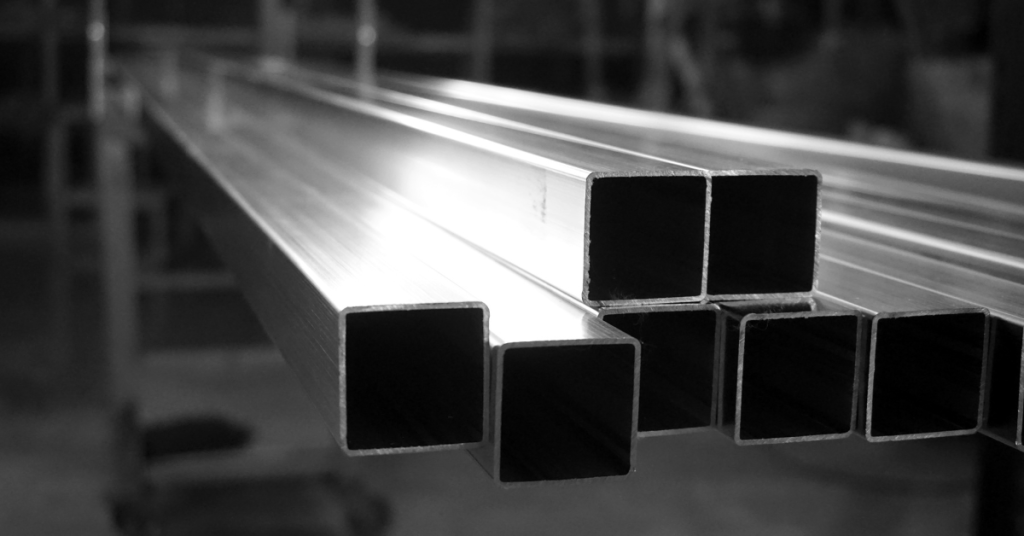
- Wall Thickness: Thicker walls improve strength but increase weight.
- Bend Radius: Larger radii minimize stress on tubing.
- Welding Requirements: TIG welding is ideal for aluminum bends.
- Surface Treatment: Anodizing enhances corrosion resistance and appearance.
Case Study: Aluminum Bends in Turbocharged Engines
In turbocharged vehicles, air must travel from the turbo to the intercooler and intake manifold. Aluminum bends ensure:
- Smooth Airflow: Mandrel bends prevent turbulence.
- Durability: Withstands pressure from boost systems.
- Heat Dissipation: Aluminum naturally cools air compared to other metals.
- Ease of Installation: Lightweight bends simplify fabrication and adjustment.
Sustainability of Aluminum Bends
Aluminum bends align with sustainable manufacturing goals:
- 100% Recyclability: Recycled aluminum requires only 5% of the energy needed for primary production.
- Reduced Vehicle Emissions: Lightweight bends lower vehicle mass, improving fuel economy.
- Long Lifespan: Corrosion resistance minimizes replacements.
Future of Aluminum Bends
- Advanced Alloys: Development of stronger, lighter blends like aluminum-lithium alloys.
- Hybrid Materials: Integration with carbon fiber for aerospace and motorsport.
- 3D-Printed Tubes: Custom bends produced with additive manufacturing.
- Electric Vehicles: Aluminum bends in cooling systems and lightweight chassis components.
Maintenance of Aluminum Bends
- Regular Inspections: Check for cracks, stress marks, or corrosion spots.
- Cleaning: Use non-abrasive cleaners to maintain polished surfaces.
- Anodized Bends: Protect the anodized layer from scratches.
- Weld Integrity: Ensure welded joints are properly maintained for strength.
Conclusion
Aluminum bends are indispensable in modern engineering, offering a balance of strength, lightweight design, and corrosion resistance. Their use spans industries from automotive exhaust systems and aerospace hydraulic lines to architectural frameworks and marine structures. Mandrel-bent aluminum tubing ensures smooth flow in performance applications, while structural bends provide strength and flexibility in construction.
With sustainability and weight reduction becoming priorities across industries, aluminum bends continue to be a material of choice. As technology evolves, advanced alloys and manufacturing techniques will only enhance their performance, keeping aluminum bends at the forefront of innovation in fabrication and engineering.